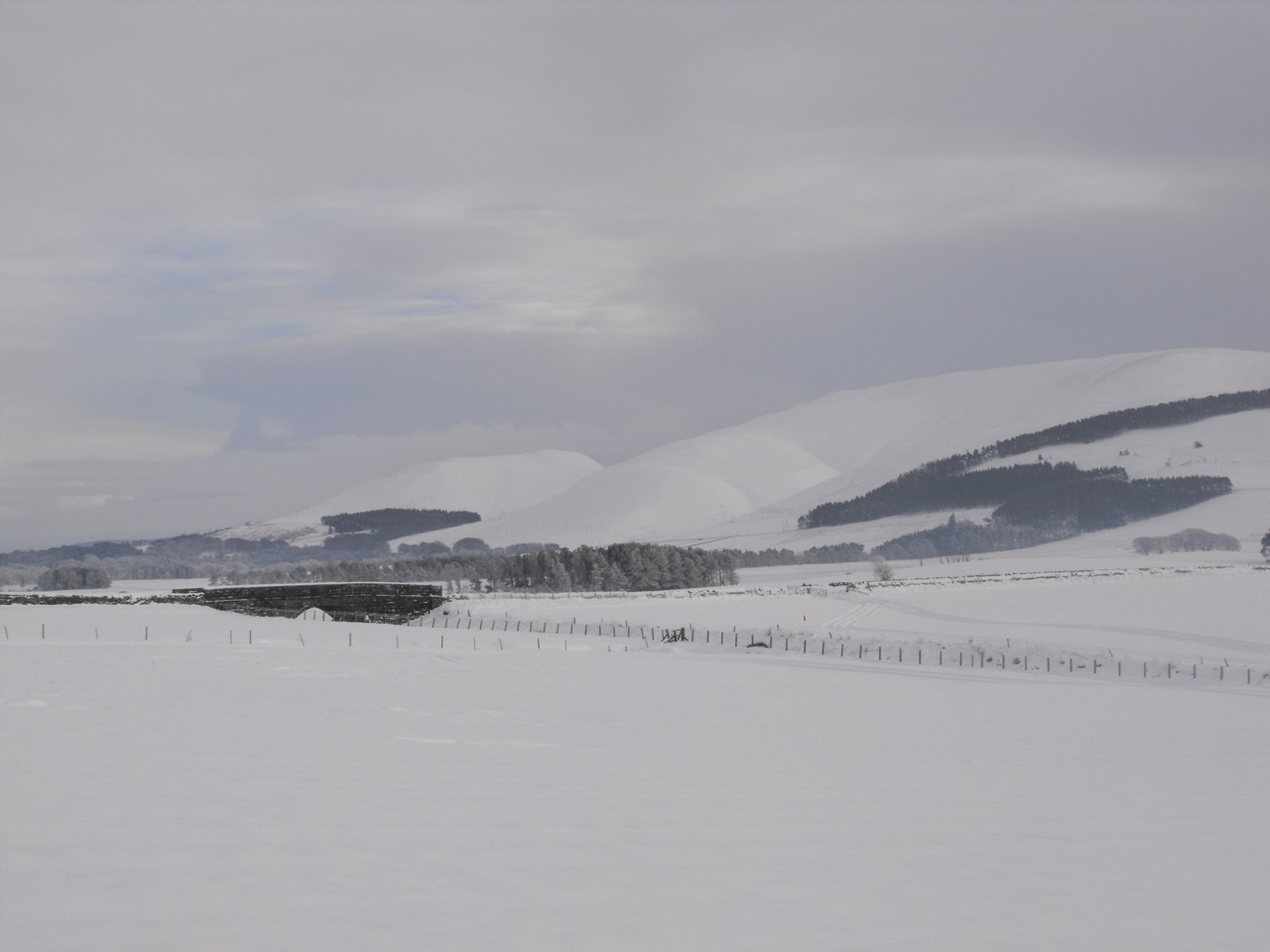
Dunsyre sits at the foot of the southern Pentland Hills, where the range tapers out towards the Clyde Valley. It's open, quiet countryside, good for walking that doesn't require a car full of gear or a long drive to reach.
The hills
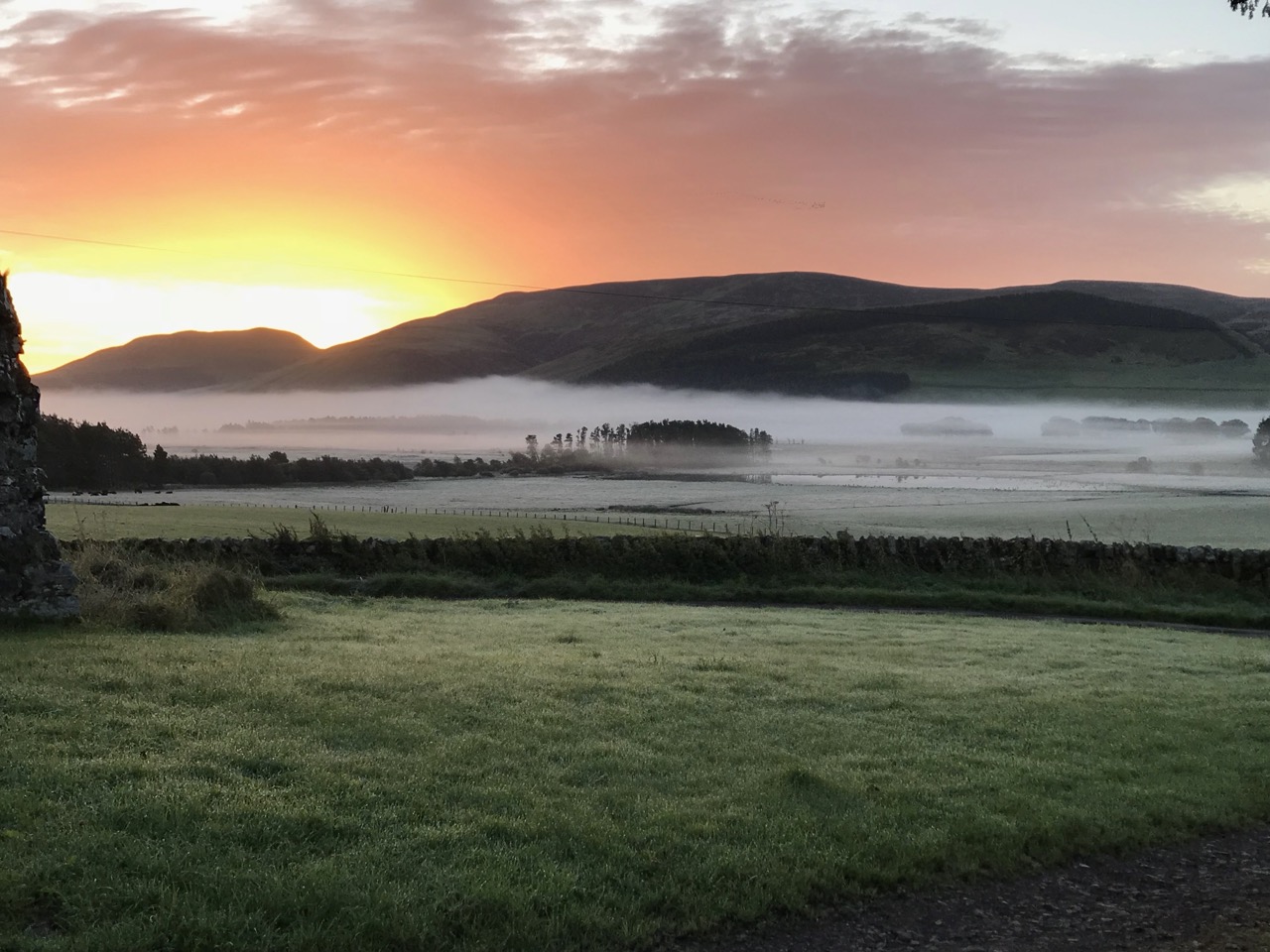
The ground around Dunsyre rises steadily to the north and west, offering walks at a range of levels, from an easy valley stroll to a proper hill day with wide views. The principal summits are all accessible on foot from the village without technical difficulty, though boggy ground is a constant possibility after rain.
| Hill | Height | Notes |
|---|---|---|
| Black Mount | 516 m | Highest point in the immediate area; wilder moorland, less defined paths |
| Mendick Hill | 451 m | Most prominent summit in the Dunsyre area; trig point at the top; good paths |
| White Hill | 440 m | Open moorland ridge to the north-west |
| Dunsyre Hill | c.401 m | The hill that gives the village its name; accessed from the village road |
| Newholm Hill | n/a | Height not confirmed; part of the upland ground between Dunsyre and Carnwath |
| Borland Hill | n/a | Height not confirmed; lies to the south-east of the village |
Mendick Hill
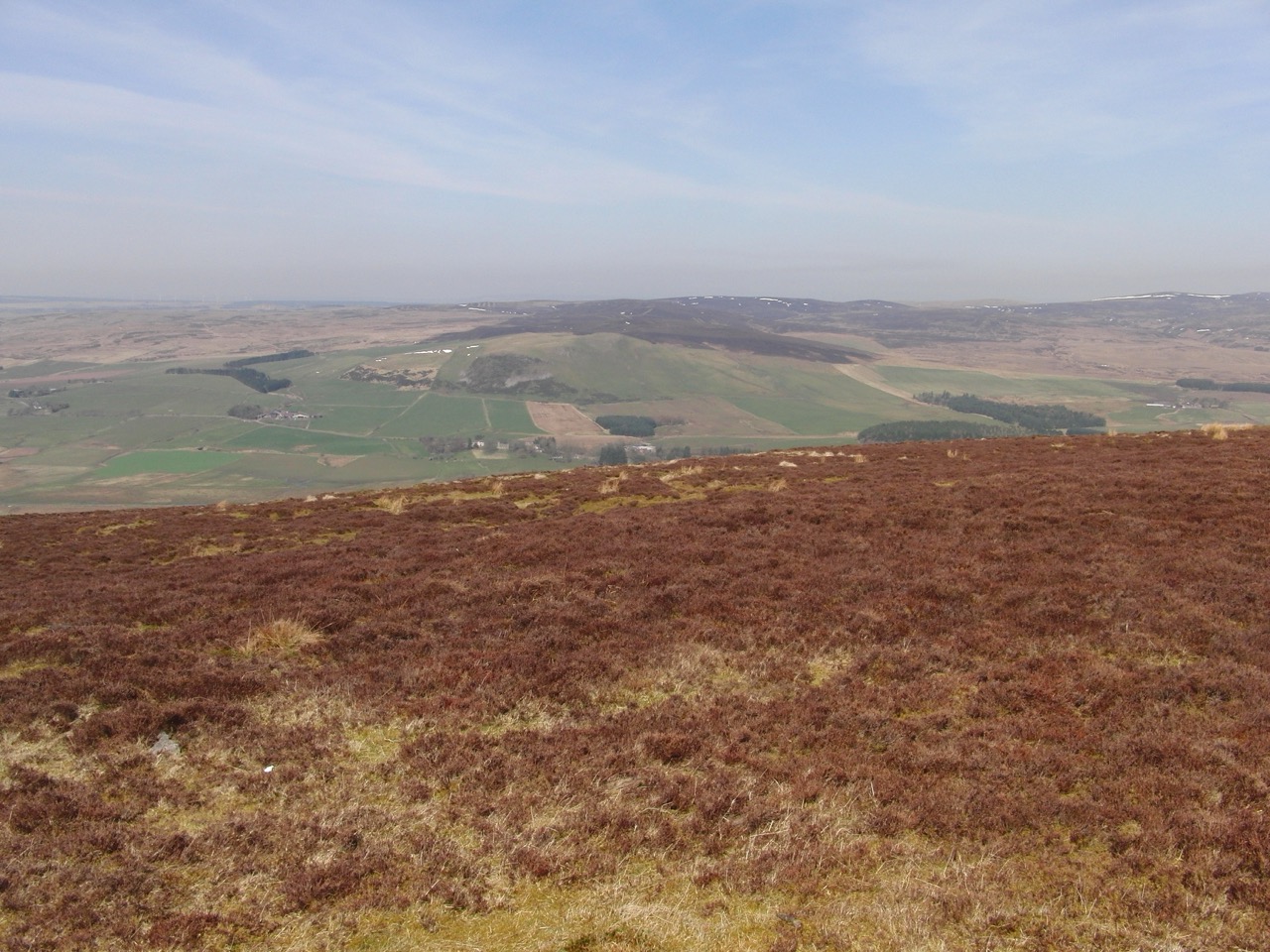
At 451 metres, Mendick Hill is the most prominent summit in the immediate area and a straightforward hill to climb. The views from the top are wide, north across the Pentlands towards Edinburgh on a clear day, south and west across Lanarkshire and down towards the Clyde Valley. There's a trig point at the summit.
The usual approach is from the Dunsyre road, with a path leading up the open hillside. The ground can be boggy after rain. Suitable for reasonably fit walkers; no technical difficulty.
The Pentland Hills
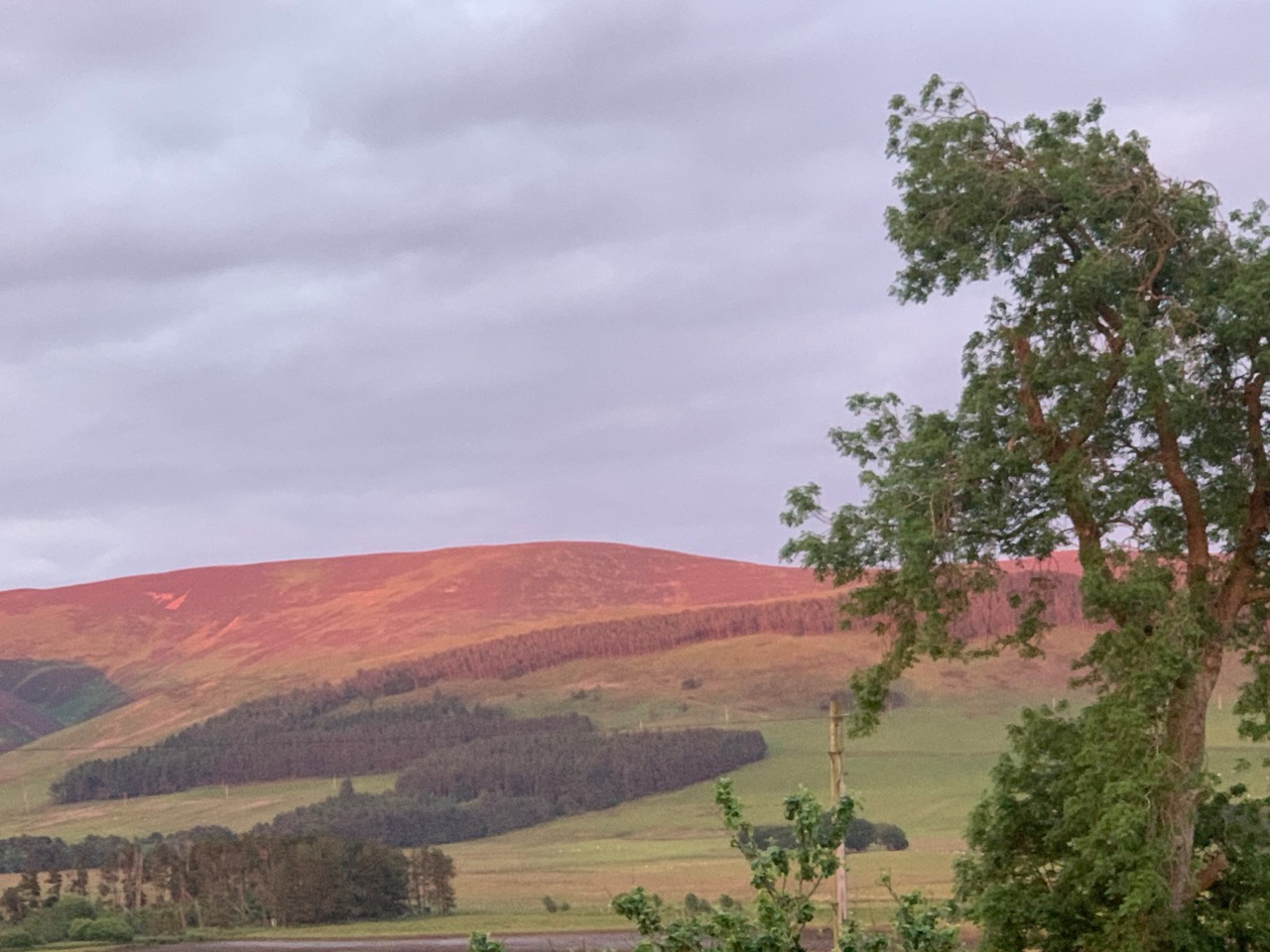
Dunsyre marks the southern end of the Pentland Hills, which stretch for roughly twenty miles northward towards Edinburgh. Most visitors access the Pentlands from the city side, Flotterstone, Balerno, Harlaw, but approaching from Dunsyre gives a quieter, less trafficked entry into the range. The hills here feel more remote than the northern slopes, with fewer paths and less company.
The Pentland Hills Regional Park covers much of the range. Dogs must be kept under control, particularly during the lambing season in spring.
Black Mount
Black Mount, at 516 metres the highest point in the immediate area, lies to the west of the village and forms part of the broader upland ground between Dunsyre and Carnwath. It's a wilder stretch of moorland than Mendick Hill, with less defined paths and rougher going, and better suited to those comfortable with map and compass navigation in open country.
The Pentland Hills reach their southern termination at Dunsyre Hill, some thirty-two kilometres from Edinburgh, a different world from the city, though not far in distance.
The South Medwin Water
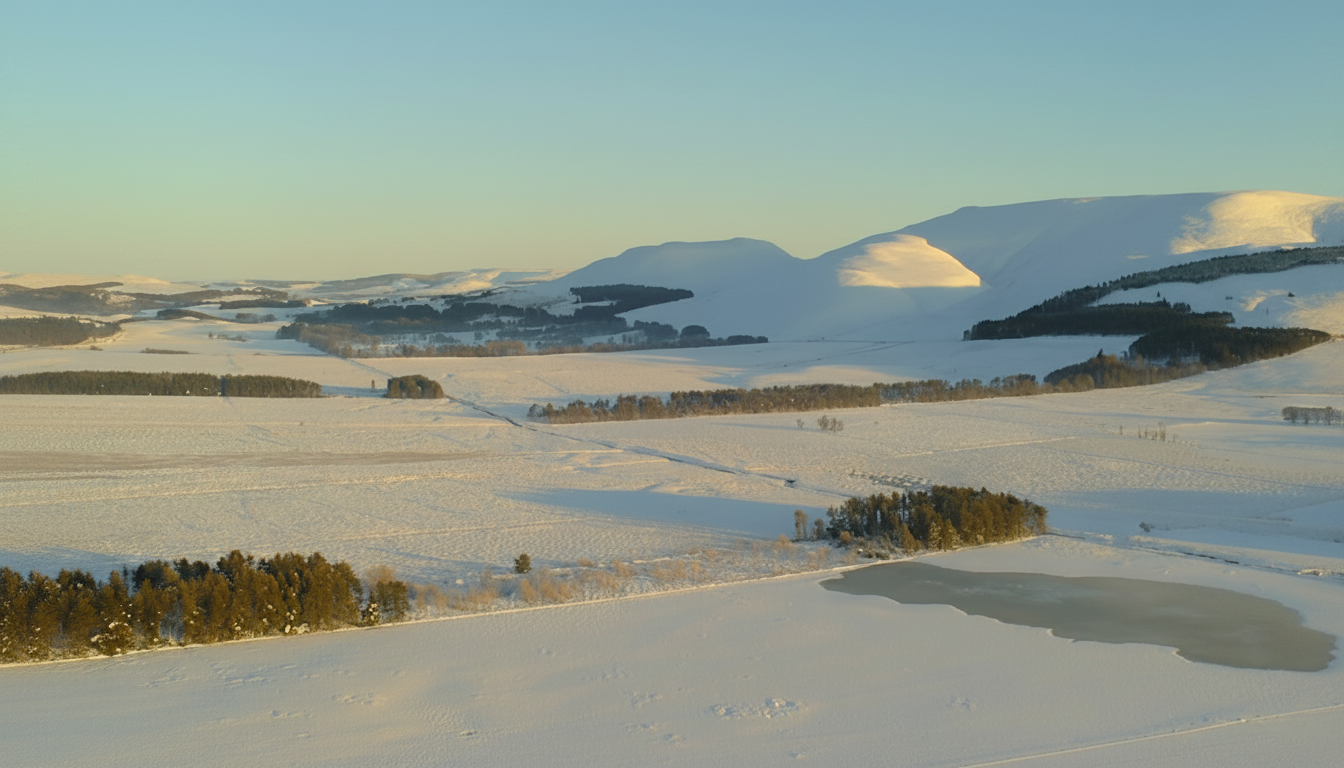
The South Medwin Water rises on the southern slopes of the Pentlands and flows south-west through the parish before joining the North Medwin near Carnwath. The valley it has carved is the defining feature of the Dunsyre landscape: broad, gentle, and surprisingly sheltered given the exposure of the hills above.
The river was substantially altered in the early nineteenth century. The New Statistical Account of Scotland (1845) records that around 1832 the South Medwin was straightened and its banks regularised as part of the agricultural improvement of the parish, a common practice across lowland Scotland at the time. The original channel was widened and sections were re-routed to drain the lower ground more effectively for cultivation. Some locals recall what may have been a separate, later widening carried out by hand in the early twentieth century, though no documentary record of this has yet been found.
Despite the modifications, the Medwin remains a functioning river system and supports a healthy population of wild brown trout and grayling. The Wild Trout Trust noted the river's conservation value in a survey carried out around 2004, and the South Medwin Pools, a series of still-water features near Dunsyre, have become one of the best local birdwatching sites in South Lanarkshire.
Wildlife
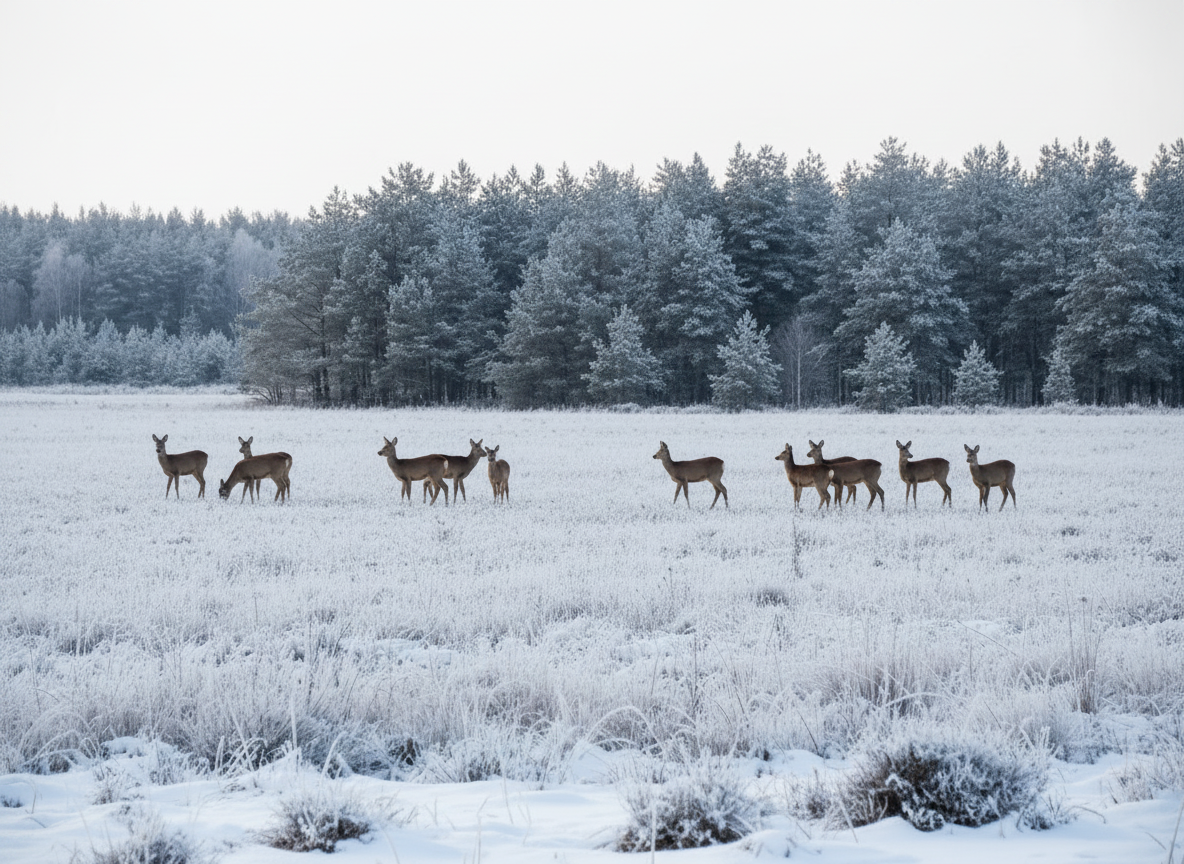
The combination of open moorland, rough grassland, woodland edges, and the river valley makes the Dunsyre area surprisingly rich in wildlife. Mammals are well represented: roe deer move through the woodland and valley ground, brown hares are a common sight on the open hillsides, and foxes and badgers are present throughout. Red foxes are regularly seen at dusk, and badger setts are tucked into the banks and field margins of the lower valley.
The moorland habitats support red grouse, and game birds, pheasant, partridge, and snipe, are common across the estate land. Greylag geese flight through regularly, and whooper swans occasionally appear on the pools in winter.
Birds of the South Medwin Pools
The South Medwin Pools, located near Dunsyre, are the most productive birdwatching site in the immediate area. The still water, reed margins, and adjacent farmland attract a wide range of waders and wildfowl, as well as some notably scarce species. Regular visitors to the pools and the valley as a whole include:
The dipper is a characteristic bird of the Medwin itself: look for it bobbing on rocks mid-stream or disappearing below the surface to feed. Kingfisher sightings along the river are less frequent but not unusual. Osprey pass through on spring and autumn migration, sometimes pausing over the pools. Red kites have re-established themselves across South Lanarkshire in recent decades and are now a regular and welcome sight over the valley.
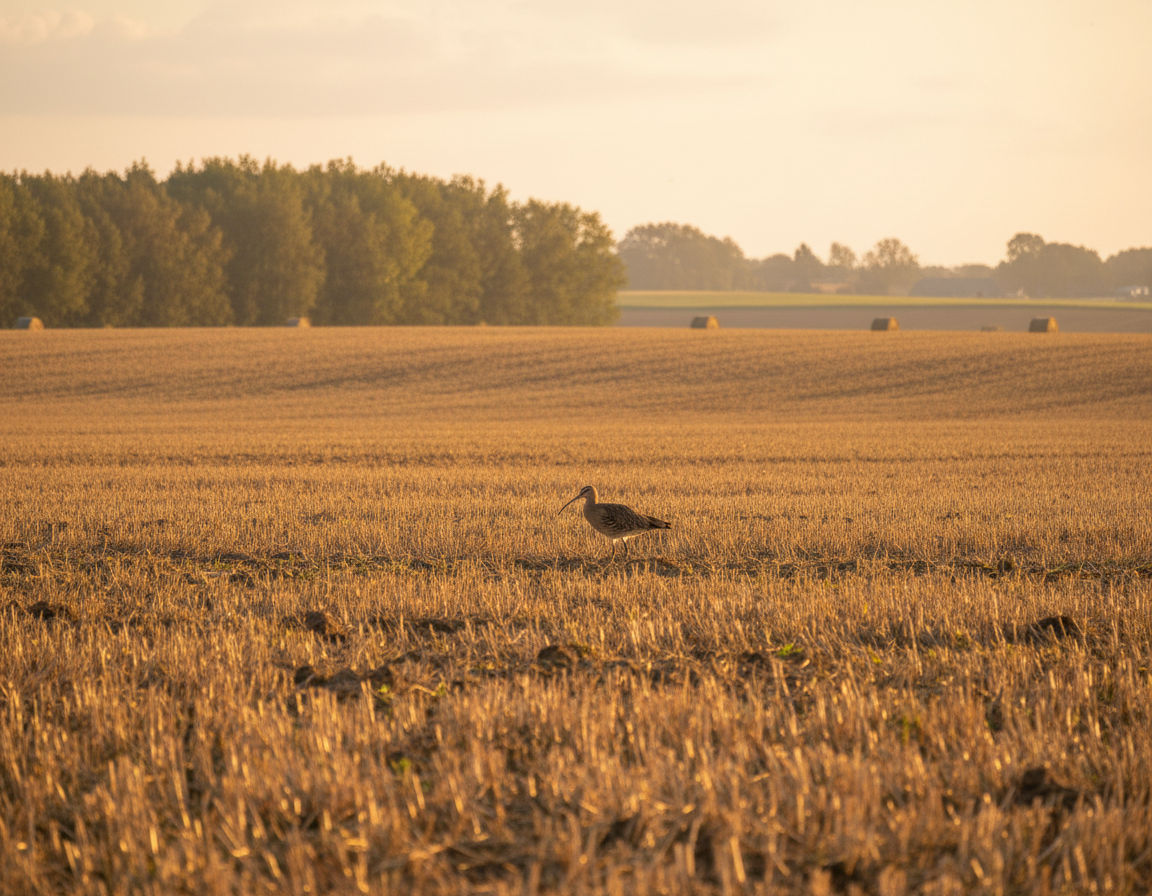
Hen harrier and merlin are moorland specialists present on the higher ground, hunting over the heather and rough grass. Curlew nest on the upland margins and their call, one of the most evocative sounds of a Scottish spring morning, carries far across the valley below.
The common stinkhorn
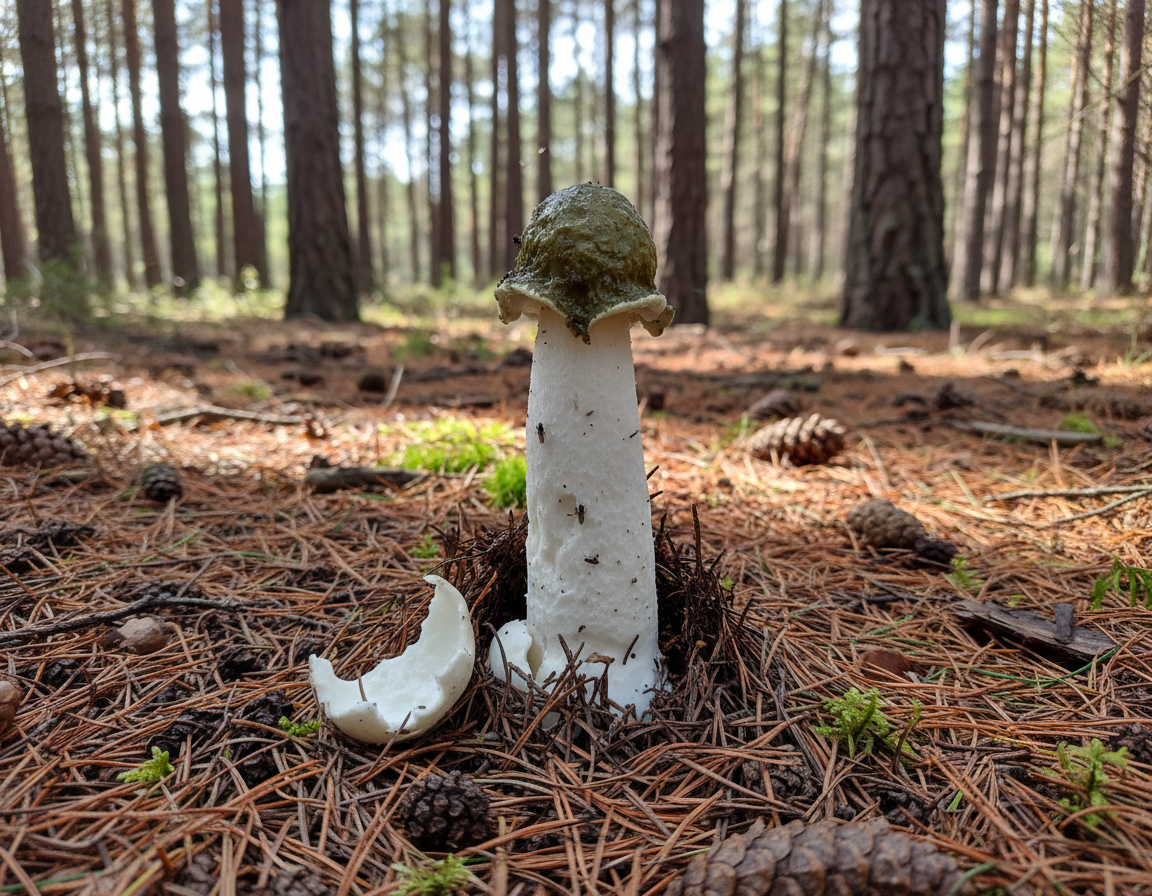
The common stinkhorn (Phallus impudicus) is one of the more unmistakable fungi of the valley woodland. It erupts from a white egg-like structure in the ground and reaches full height, typically 10–20 cm, within a matter of hours. The cap is covered in a dark, olive-green spore mass called the gleba, which produces a powerful smell of rotting meat, deliberately designed to attract flies. The flies land, consume the gleba, and carry the spores elsewhere. It's an efficient system, if not a subtle one. The stinkhorn is widespread across Britain in deciduous woodland and is entirely harmless, just emphatically present.
Flora
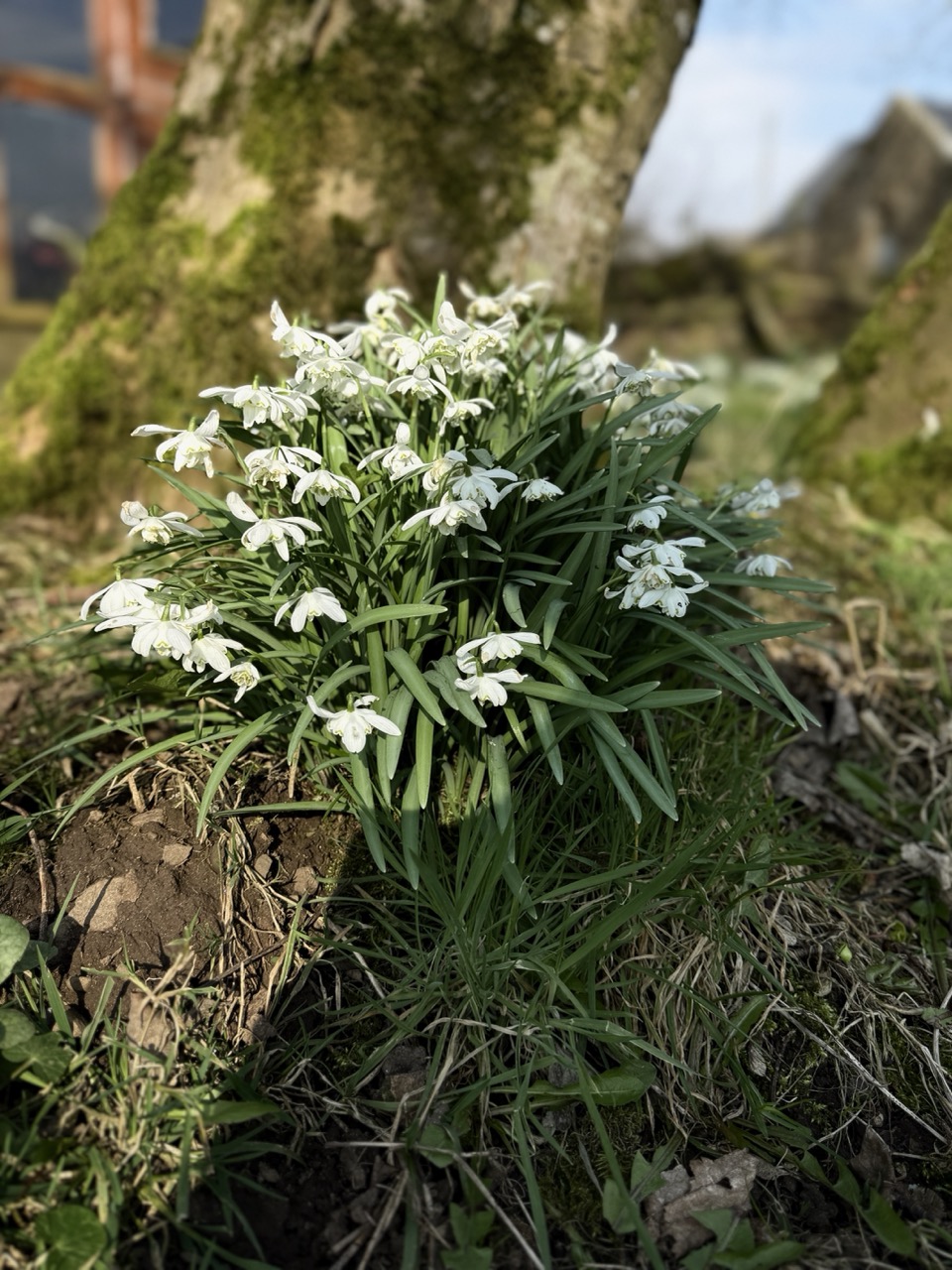
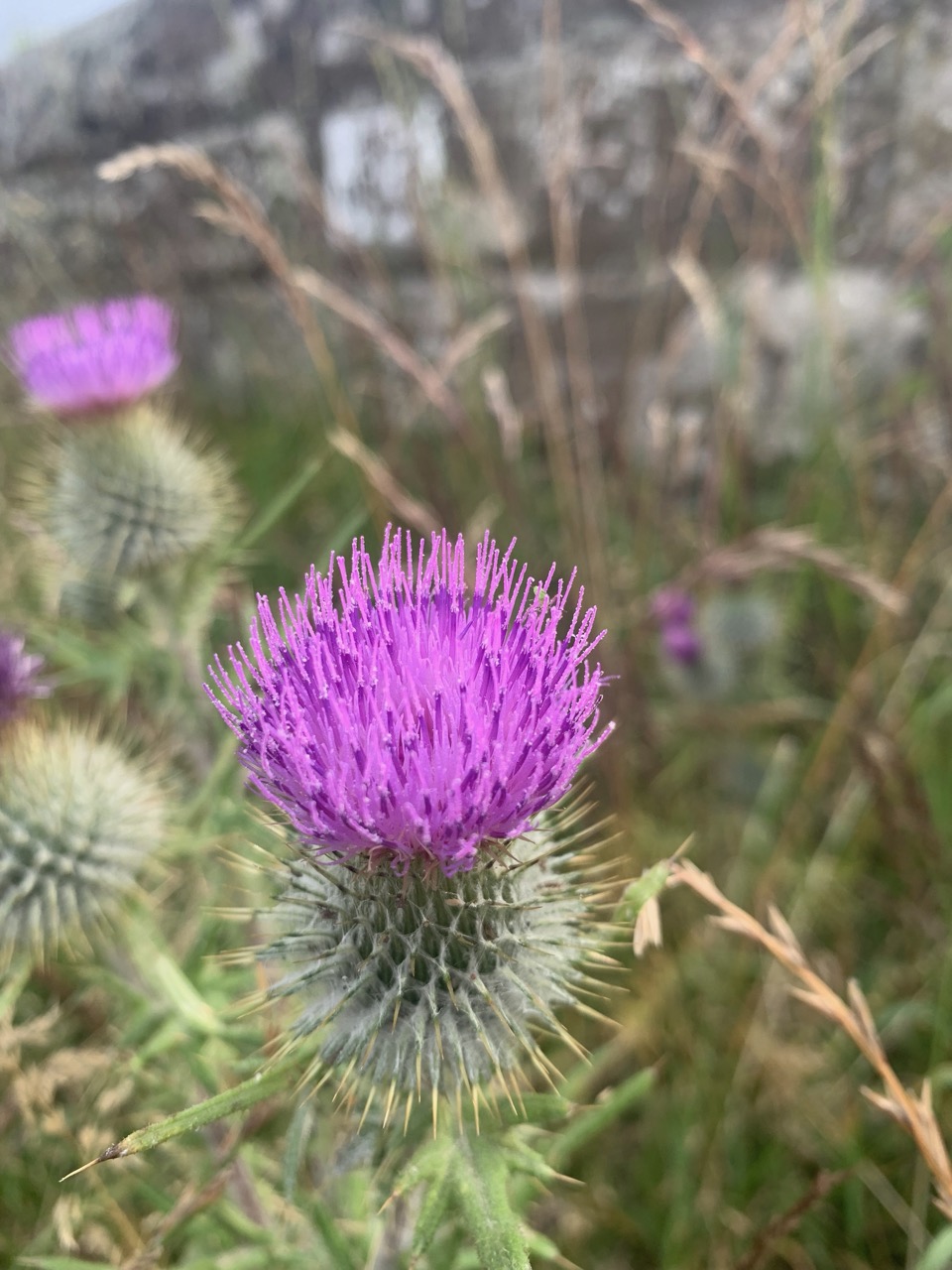
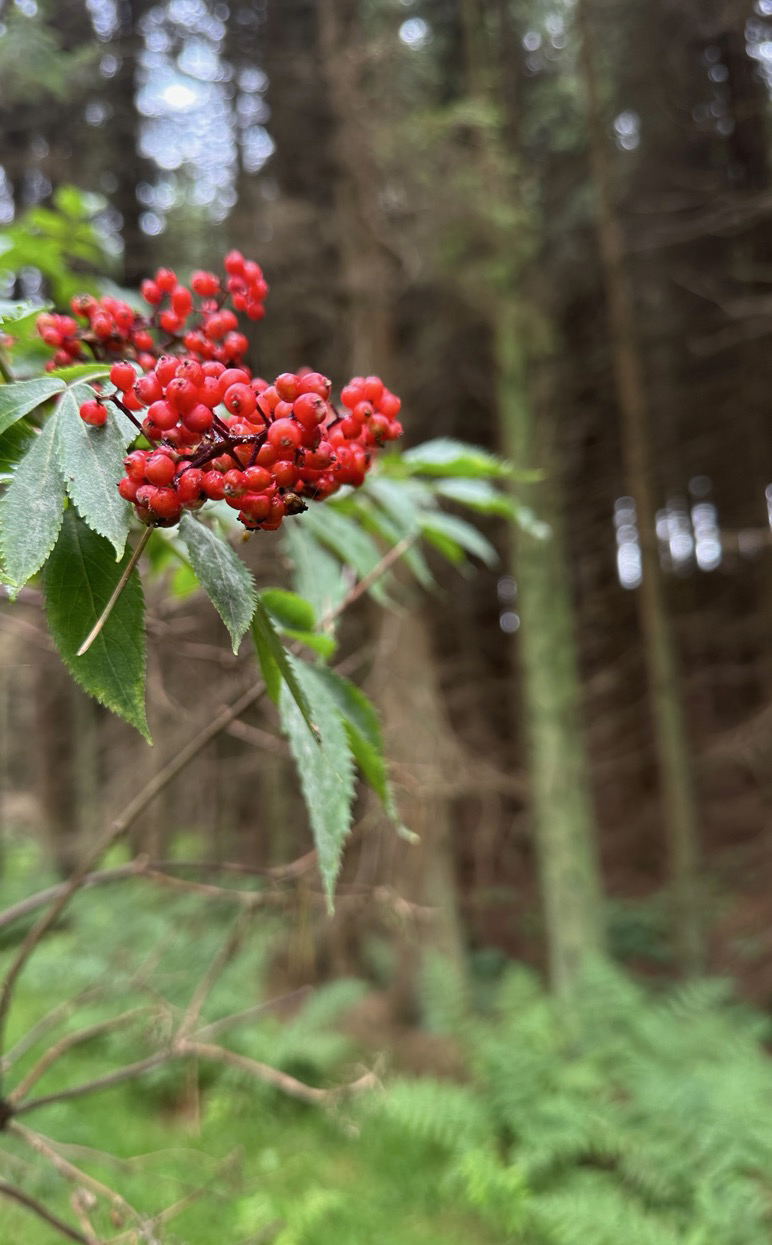
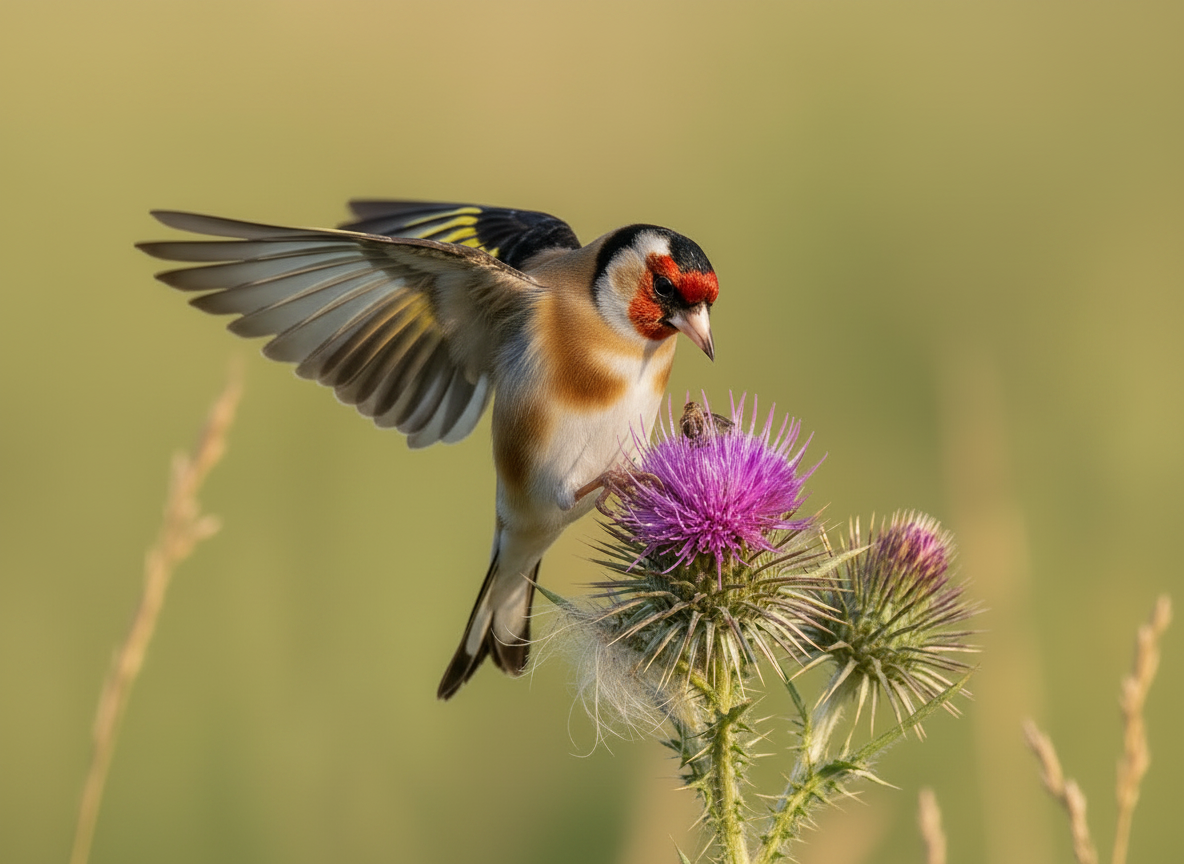
The valley floor and woodland edges carry a good range of native plants. Rowan trees are widespread and provide a vivid show of red berries from late summer into autumn. Snowdrops naturalise along the woodland banks in late winter. The rough grassland and field margins support thistles, including both the spear thistle and the more delicate marsh thistle, which in turn attract bumblebees and butterflies through the summer months. The damp ground along the Medwin is ideal for plants associated with unimproved wet pasture, and the area around the Pools in particular repays a slow, careful walk.
Practical notes
There are no formal visitor facilities at Dunsyre, no café, shop, or car park specifically for walkers. Bring everything you need with you. Waterproofs and walking boots are advisable for the hills even in summer. The OS Explorer map OL44 (Pentland Hills) covers the area. Always let someone know your planned route before heading into the hills.
Much of the land around Dunsyre is farmed privately through Lee and Carnwath Estates. Keep to established paths, follow the Scottish Outdoor Access Code, and close all gates.